Shelves, Stockouts, and Suspense: What the July 22 Countdown Is Doing to the American Retail Landscape

Photo by Photo by Martijn Baudoin on Unsplash on Unsplash
Walk into a Target in suburban Ohio right now and you might notice something feels a little off. Certain shelves are thinner than usual. End caps are getting restocked faster than seasonal logic would suggest. And the employees near the electronics section? They're fielding questions they can't quite answer yet.
This isn't a supply chain breakdown or a shipping delay. It's something altogether newer — and frankly, weirder. Retail analysts are starting to call it the July 22 Effect, and if you haven't heard about it yet, buckle up, because it's quietly turning the American shopping calendar upside down.
When Anticipation Becomes a Purchasing Trigger
Here's the short version: the months-long buildup to July 22 has trained a significant chunk of the American consumer base to treat the date like a kind of cultural Black Friday. Except nobody officially announced a sale. Nobody sent out a circular. The hype built organically — through social media, fan communities, and the kind of collective excitement that spreads faster than any ad campaign.
And that anticipation, it turns out, doesn't just live in people's heads. It lives in their shopping carts.
Consumer psychologists have a term for this: "anticipatory purchasing." It's the idea that when people believe something big is coming, they start buying in advance — stocking up on items they associate with the event, treating the lead-up as part of the experience itself. Think of how people buy Halloween candy in September, or how concert merch sells out before the first note plays.
July 22 has triggered a version of this on a scale that's catching retailers genuinely off guard.
"We're seeing demand spikes in categories that don't traditionally spike this time of year," said one retail analyst who tracks consumer trends for a mid-size consulting firm. "It's not summer barbecue stuff. It's more specific than that. Certain product types are moving in ways that our seasonal models just aren't built to predict."
The Inventory Nightmare Nobody Planned For
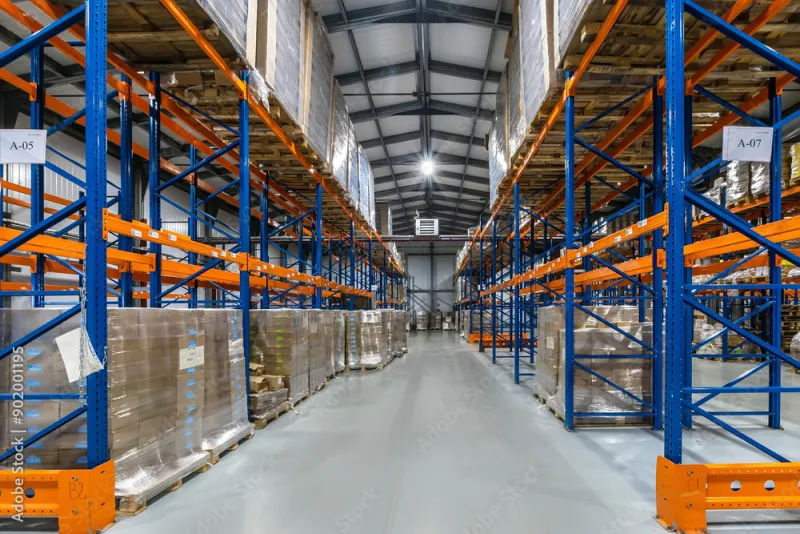
For retailers, the problem isn't just that demand is up — it's that the demand is uneven and hard to forecast. Traditional inventory planning relies on historical data: what sold last year, what's trending this season, what promotions are running. The July 22 phenomenon doesn't fit neatly into any of those buckets.
Supply chain consultants describe it as a "phantom demand spike" — a surge that looks real in the data but is driven by sentiment rather than product fundamentals. That distinction matters enormously when you're deciding how many units to order six weeks out.
Order too few and you're looking at stockouts and frustrated customers who'll find what they want somewhere else. Order too many and you're sitting on excess inventory after July 22 passes — inventory you'll be discounting through August just to clear the floor.
"It's a classic demand uncertainty problem," explained one supply chain expert who works with regional grocery and specialty retailers. "The difference is that this one came from a cultural moment, not a product cycle. And cultural moments are notoriously hard to model."
Smaller independent retailers are feeling the squeeze even harder. Without the forecasting infrastructure of a Walmart or an Amazon, they're essentially making gut calls — and those calls have real financial consequences.
The Psychology Behind the Spending
So why are people actually buying more? What's the psychological mechanism here?
It comes back to something called "event priming." When a significant date gets embedded in your awareness — whether through news, social media, or just the general cultural buzz — your brain starts associating everything around that event with heightened meaning. Products that feel connected to July 22 get a little halo of significance attached to them. Buying them feels like participation. Like you're in on something.
This is the same reason people buy team jerseys before the Super Bowl even if they've never worn one, or grab a special edition anything the moment it's announced. The purchase becomes a form of identity expression. "I'm part of this moment."
The tricky part for retailers is that this psychological effect doesn't require a product to be officially connected to July 22. Consumers are making their own associations, which means the demand signals are scattered across unexpected categories. You can't just stock up on the obvious stuff. The hype is bleeding into adjacent spaces in ways that feel almost random from the outside.
Is This Sustainable — Or a Bubble?
The question everyone in the industry is quietly asking is whether any of this demand is real in the long-term sense, or whether it's a bubble that pops the moment July 22 comes and goes.
Honestly? Probably both, depending on what you're selling.
For products that people genuinely needed and bought early because of the countdown energy, retailers will likely see a post-July 22 lull — a "demand hangover" where sales dip because customers already stocked up. That's manageable, even if it's annoying to plan around.
For products riding purely on hype association with no real utility connection to the event, the correction could be sharper. If July 22 delivers on its promise — whatever that promise turns out to be — the emotional energy dissipates, and so does the irrational purchasing behavior driving those sales.
The analysts who are most nervous are the ones watching categories where the July 22 Effect has inflated prices, not just volumes. When artificial demand starts moving the needle on pricing, the post-event correction gets a lot more uncomfortable.
What Smart Retailers Are Actually Doing
Not everyone is panicking. Some retailers have gotten pretty creative about leaning into the countdown energy without over-committing on inventory.
Limited-time product configurations, pre-order structures, and "countdown bundles" have all started appearing as ways to capture July 22 excitement while managing supply risk. It's essentially a way of saying: we see you, we're part of the moment — without betting the warehouse on demand that might evaporate on July 23rd.
Others are taking a wait-and-see approach, keeping inventory lean and banking on being able to move fast after the event clarifies what people actually want going forward.
The Bigger Picture
What's happening with July 22 and American retail is a preview of something larger. As cultural moments become more synchronized through social media, and as collective anticipation becomes its own economic force, retailers are going to need new tools to navigate the gap between hype-driven demand and sustainable purchasing behavior.
The July 22 countdown is one of the clearest examples we've seen of how a single date — with enough cultural weight behind it — can physically reorganize the flow of consumer dollars weeks before anything actually happens.
Whether that's exciting or terrifying probably depends on whether you're a shopper or a store manager. For the rest of us? It's a fascinating look at how much our brains are already living in the future, spending in the present, and leaving retailers to figure out the math somewhere in the middle.