Hired for the Hype: The Surprising Jobs Boom Quietly Powering the July 22 Countdown
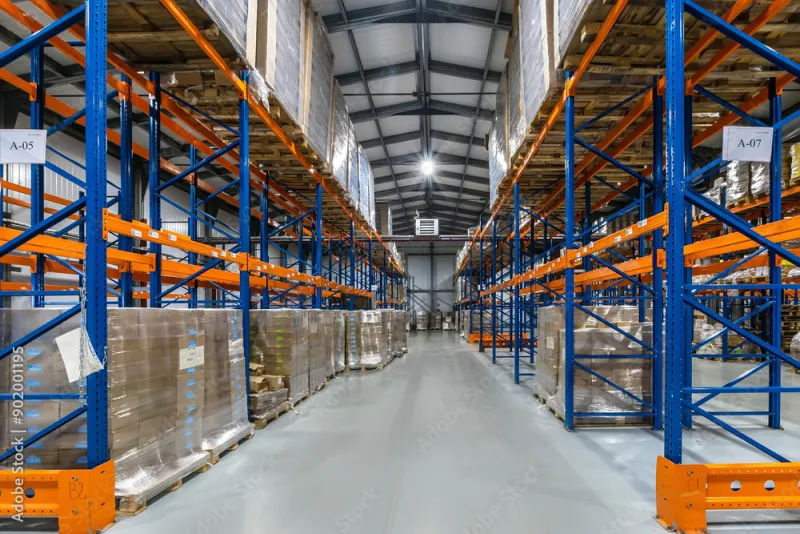
Photo: warehouse workers fulfillment center busy logistics team, via as2.ftcdn.net
Most people tracking July 22 are focused on what's coming — the reveal, the release, the moment. But while the rest of us are refreshing our feeds and speculating in comment sections, a whole other group of Americans is doing something different: they're cashing in.
The economic machinery spinning up around a single date is more complex than it looks from the outside. And if you zoom in, you'll find an under-the-radar jobs surge that's touching industries most people would never connect to a countdown.
The Logistics Layer Nobody Talks About
Let's start with the obvious one — fulfillment. Any time a major cultural moment is tied to a product drop, a release, or a large-scale event, warehouses feel it first. We're talking about temporary staffing agencies scrambling to place workers weeks ahead of the target date, distribution centers running extra shifts, and last-mile delivery contractors picking up additional routes to handle the anticipated spike.
This isn't new behavior for the logistics sector — they've been doing it for Black Friday and Amazon Prime Day for years. But July 22 is carving out its own version of that playbook. Industry insiders say the window is tighter and the demand is more concentrated, which means the hiring surges are sharper. A warehouse manager in the Midwest described it bluntly: "We staff up like it's a holiday, but the window is maybe a week instead of a month."
For workers, that translates to short-term opportunity — not a career, but a real paycheck at a moment when many are actively looking for it.
The Coordinator Class Is Having a Moment
Beyond logistics, there's a quieter but arguably more interesting employment category emerging: event coordination specifically built around countdown culture.
Think about what it actually takes to pull off a watch party, a brand activation, or a synchronized release event. You need people who understand how to build anticipation into a physical space, how to time reveals for maximum crowd reaction, how to handle the inevitable tech glitches when thousands of people try to stream something simultaneously. That's a skill set. And right now, there are coordinators who've essentially niched down to exactly this kind of work.
Some are freelancers who've built small businesses around major cultural moments — they'll take on a July 22 event the same way they'd handle a Super Bowl watch party or an album release gathering. Others are being pulled in by brands that want a professional hand in shaping how their audiences experience the countdown. Either way, it's work that didn't really exist in this form five years ago.
Content Creation Is a Full-Time Job Now (Seriously)
If you've been paying attention to the social side of July 22, you already know the content volume is staggering. What you might not realize is how much of that is paid work.
Brands are commissioning countdown content. Platforms are funding creator partnerships tied to the date. PR agencies are hiring contract writers, video editors, and social strategists on short-term retainers just to keep up with the pace of coverage. Some of those gigs pay surprisingly well — especially for people who can turn around quality video content fast or who have an existing audience primed for this kind of moment.
For freelance creators, July 22 has become something of a seasonal windfall. One digital strategist based in Austin described her July as "basically a second Q4" — the kind of compressed, high-demand period where rates go up and clients stop negotiating because they simply don't have time to.
The Industries Getting Disrupted (Not Just Boosted)
Here's where it gets more complicated. Not every industry is riding a wave right now — some are getting knocked sideways by it.
Retail, for instance, is experiencing a familiar tension. The brands directly tied to July 22 are seeing surging demand. But adjacent retailers — the ones selling complementary products or competing for the same consumer dollar — are watching their typical summer sales patterns get scrambled. A product launch that concentrates spending on one date pulls money away from the weeks surrounding it. That affects inventory planning, staffing models, and promotional calendars in ways that ripple outward.
The hospitality sector is having a similarly mixed experience. In cities where July 22 events are being staged, hotels and venues are booked solid and hiring accordingly. But smaller local businesses that don't happen to be in the path of foot traffic? They may actually see a dip as consumer attention (and wallets) get redirected.
This is the part of countdown economics that doesn't make headlines: the disruption isn't always dramatic, but it's real.
Gig Workers Are Getting Tactical
Perhaps the most interesting development is how gig workers — the Uber drivers, TaskRabbit contractors, and Instacart shoppers of the world — are actively timing their availability around July 22.
It's the same logic that drives people to work on New Year's Eve or during major sporting events: surge pricing and higher demand mean more money for the same hours. Workers in markets where July 22 activity is concentrated are already blocking out the date, planning their availability around expected demand spikes, and sharing intel in online forums about which platforms and which gigs are likely to pay out the most.
This kind of collective coordination is fascinating. It's informal, it's decentralized, and it's entirely driven by the cultural gravity of a single date on a calendar.
What This Actually Tells Us
Zoom out for a second and the picture is kind of remarkable. A countdown — which is, at its core, just shared anticipation — has generated enough economic momentum to move hiring decisions, reshape fulfillment schedules, create new professional niches, and shift consumer spending patterns across multiple industries.
That's not nothing. That's actually a pretty significant economic footprint for something that started as cultural buzz.
The jobs being created aren't all permanent, and the disruptions aren't all painful. But they're real, and they're happening right now, well before July 22 even arrives. By the time the countdown hits zero, millions of dollars will have already changed hands just in preparation.
So yeah — the moment everyone's waiting for is also the moment a lot of people are working toward. And for some of them, that work is paying off in ways that have nothing to do with whatever's being revealed on the 22nd.